
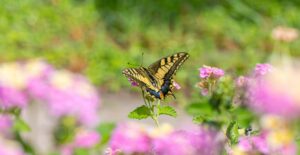
Parishes and towns have a crucial role to play in recovering nature in Norfolk. Many parishes are already doing fantastic work to help wildlife. If every town and parish took action, big or small, to create new spaces for nature, improve and enhance existing spaces or support key animals, birds and insects, this would make a big difference for nature in Norfolk (and beyond).
Why recover nature?
A thriving natural world does so much to help people. Nature helps to clean our air and water, pollinate crops and provides shade for people and animals. It also helps us to be more resilient to extreme weather by mitigating flooding and droughts and cooling down urban areas in heatwaves. Having regular access to nature is proven to benefit our mental and physical health.
What is a Local Nature Recovery Strategy?
Local Nature Recovery Strategies (LNRSs) are new, area-focused guides which show where and how action can be taken to help wildlife, from planting trees and hedgerows to creating wetlands. In Autumn 2025, working as the Norfolk and Suffolk Nature Recovery Partnership (NSNRP) Norfolk and Suffolk became the 10th and 11th areas to publish their LNRSs.
Norfolk and Suffolk are home to internationally important places for nature, but these spaces are often isolated. The LNRSs for Norfolk and Suffolk map where and how action can be taken to help wildlife by expanding existing nature-rich areas and joining these up, allowing nature to flourish across the counties.
How can the LNRS help parish councils?
Explore the LNRS map to see what spaces for nature already exist in and around your area. Then look on the map and see what actions are suggested, you can search by area, species, action type.
There are also dashboards which give you a local snapshot of the information from the map – showing how much land is already important for nature, what percentage of the area could and the potential actions among other things. You can filter the dashboard to view information specific to your parish.
Once you’re up to speed with the local context, use Part C of the strategy document for more detail on what you could do for your chosen species, habitat or area.
It is important to note that the LNRS map doesn’t cover every single bit of Norfolk. If your specific area isn’t mapped that doesn’t mean the LNRS can’t help you and it also doesn’t mean any work you do isn’t important. Look at what is suggested nearby and see how you could expand this.
The LNRS map layers are now available on parish online. You can now view and integrate:
- Areas of Particular Importance to Biodiversity (APIB). This shows where the existing nature-rich areas of Norfolk are, including national and locally designated sites and nature reserves
- Areas that Could Become of Particular Importance to Biodiversity (ACB). These are the areas that could become really good for nature if nature recovery work is taken.
- Potential measures – the different recovery actions we’re suggesting for each area
Nature recovery can happen everywhere from private gardens and school grounds to farms and national parks – every space and community has a valuable role to play.
Join the Norfolk Environmental Collaboration (NEC)
The NEC is a growing countywide network connecting town and parish councils, community groups, environmental organisations, and partners – meeting online once a month, members support each other with advice and expertise on how to meet their environmental goals, from funding, to inspiration, to events.
Find out more here.